PROGRAMME & FIELD TRIPS
KEYNOTE SPEAKERS

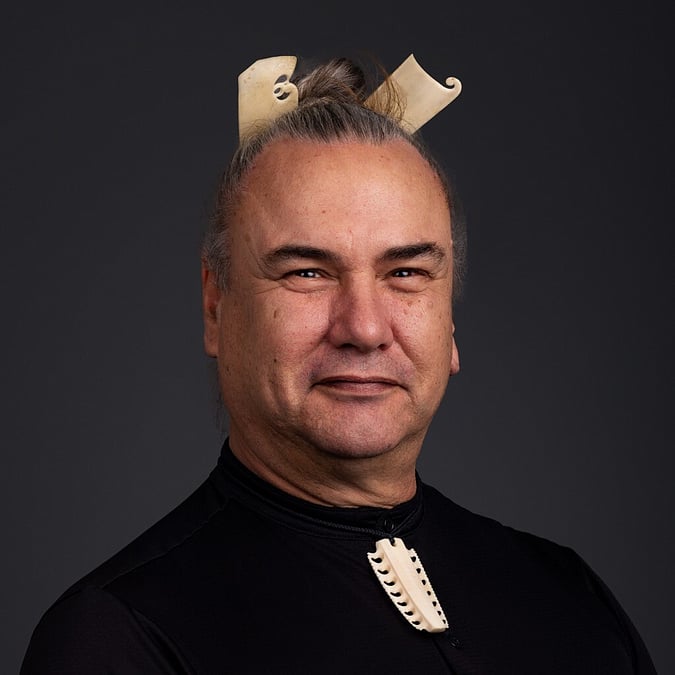
Opening Keynote by Warren Warbrick
He aho tangata - The human threads that bind us
Warren Warbrick (Rangitāne o Manawatū, Te Arawa) is a leading figure in experimental archaeology of Māori material culture with more than 40 years experience in the museum sector. He holds a CNZ Creative Fellowship to advance the research and making of river waka and has contributed to the revitalisation of traditional stone tool technologies and associated knowledge systems. An artist of national standing, Warren is a recognised holder of the Toi Iho mark. His work spans sculpture, carving, ngā taonga pūoro (Māori musical instruments), and is held in public and private collections in Aotearoa and beyond. As tohunga whakairo for Rangitāne, he works across a wide range of cultural arts and practices, including co-design for built environment and infrastructure projects such as Te Ahu a Turanga, a section of SH3. Warren is an Adjunct Honorary Associate at Massey University’s College of Humanities and Social Sciences, Te Kura Pūkenga Tangata.
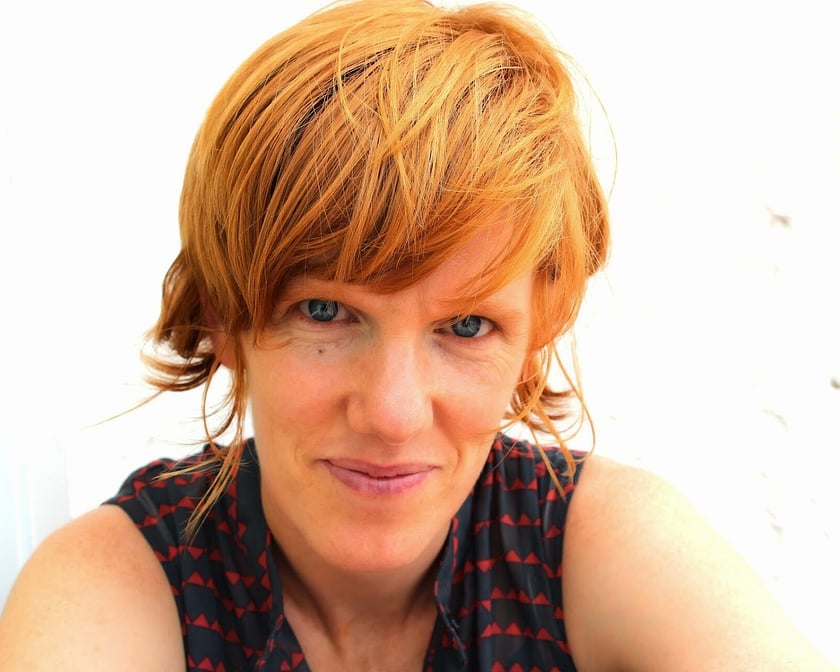
Fay Gale Joint Keynote by Alice Beban and Cadey Korson
In honour of Professor Emerita Fay Gale AO (1932-2008) https://www.iag.org.au/fay-gale-ao
Hopeful pedagogies in practice: Holding space for discomfort and collective possibility
Alice Beban is Associate Professor in Sociology at Massey University / Te Kunenga ki Pūrehuroa, Aotearoa New Zealand. Her research examines society–environment relations through a feminist political ecology lens, with a particular focus on the politics of land, water, and agrarian change in the Mekong region and Aotearoa New Zealand. Recent research examines the emotional dimensions of land and environmental struggles, and considers how hope can be mobilised as a collective practice for navigating complex social and environmental challenges. This work informs a range of collaborative projects on hope, including research on hope-based pedagogies in higher education, the Spatial Awareness Project short film and podcast series, and the Mekong Culture Well network, working with Indigenous communities to examine the effects of climate change and development along the Mekong river. She is co-founder of He Kaupapa Tūmanako / Project Hope, an initiative working with hundreds of secondary school students in Aotearoa New Zealand and internationally to explore and enact practices of hope for uncertain times.
Cadey Korson is Professor of Geography at St Clair County Community College in Michigan, USA and Fellow of Advance HE. She also serves as the Communications Officer for the New Zealand Geographical Society and promotes geography through the NZGS-sponsored @ChooseGeographyNZ social media campaign, her YouTube channel, and outreach events. Her research focuses on place-based pedagogies, Indigenous rights and digital storytelling/mapping. These interests have resulted in a variety of transdisciplinary projects, including The Spatial Awareness Project short film and podcast series on land use classifications, working with iwi to co-create digital storymaps that embed mātauranga Māori, exploring perceptions of social license to operate in the agrifood sector, and documenting the social impact of conservation volunteerism in Aotearoa New Zealand. Recently, Cadey has been awarded a grant from the National Geographic Society to coordinate a student-led streambank restoration project along the Belle River in Columbus County Park, USA, as a National Geographic Explorer.
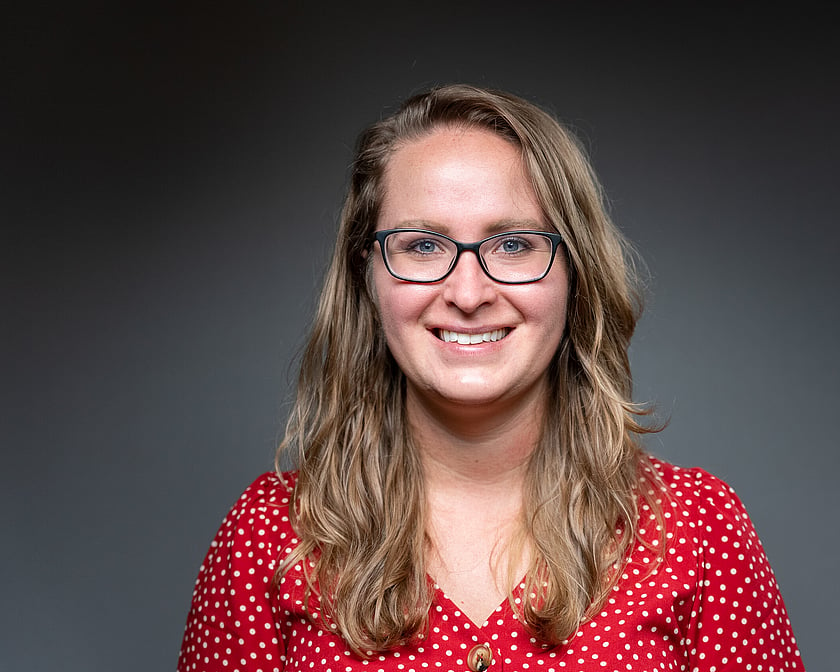
Wiley Keynote by Emma Mawdsley
What makes geographies of hope, and why does this matter?
Professor Emma Mawdsley is Head of the Department of Geography at Cambridge University, UK. Recent work includes heading a team project on consultants and contractors in global development. This builds on work in 'South-South Cooperation’, the financialisation and aid, and UK / OECD-DAC development politics. Two years ago, she started teaching a third-year undergraduate course on ‘Geographies of Hope’ - principles include 'slow teaching’, diversity of thought and practice, and engaging with bodies and emotions, as well as critical thinking.
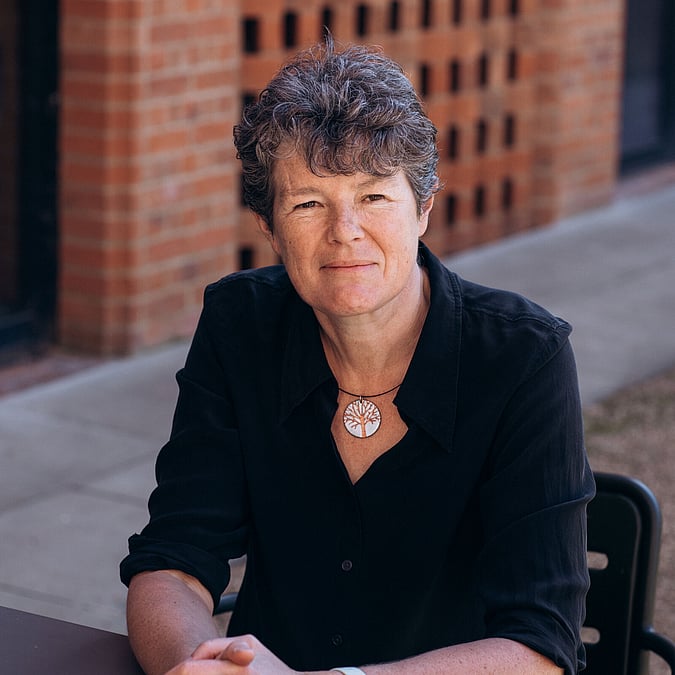
Keynote Plenary Panel
Unsettling Hope: Doing the Work of Decolonization
Avril Bell is a Pākehā New Zealander and an Honorary Associate Professor in Sociology at Waipapa Taumata Rau | The University of Auckland. She teaches Tiriti education courses for university staff and continues to research and write on issues related to our colonial history. Her first book, Relating Indigenous and Settler Identities: Beyond Domination (2014, Palgrave) explored indigenous-settler relations across the Anglo settler world – Aotearoa New Zealand, Australia, Canada and the USA. Her most recent book, Becoming Tangata Tiriti: Working with Māori, Honouring the Treaty (AUP, 2024) explores the experiences and insights of twelve ordinary and extraordinary non-Māori New Zealanders who have made a commitment to work with and in support of the flourishing of te ao Māori.
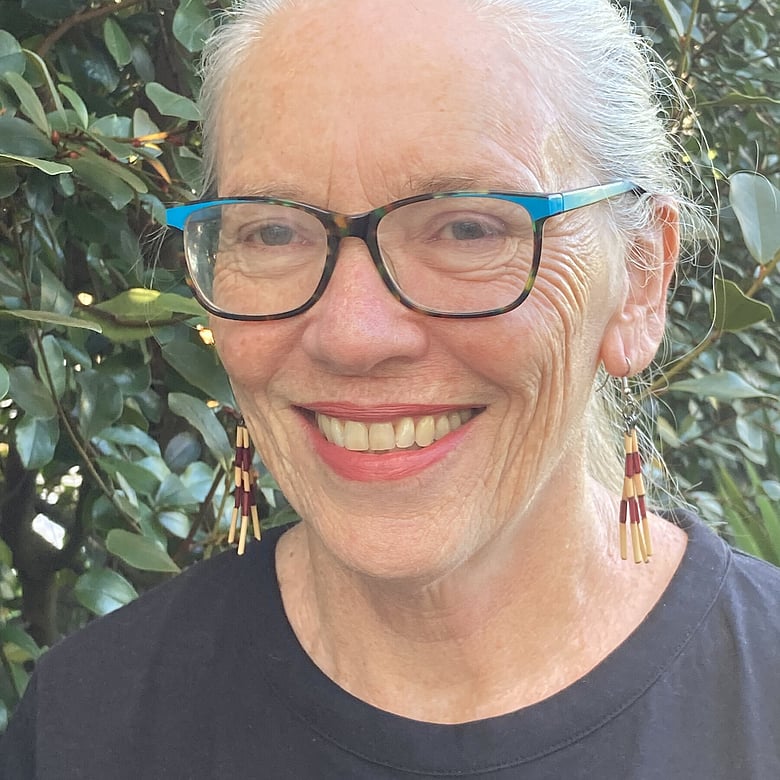
Richard Shaw is a professor of politics at Massey University, where he teaches courses in politics in Aotearoa New Zealand and researches the roles of political advisers in government ministers’ offices. His academic work has been published in leading international journals, and his publications include the Historical Dictionary of New Zealand, 4thed. (2025, with Janine Hayward, Lara Greaves and Claire Timperley), The Edward Elgar Handbook on Ministerial and Political Advisers (2023), Core Executives in a Comparative Context (2022, with Kristoffer Kolltveit) and Tūrangawaewae: Identity and belonging in Aotearoa New Zealand, 2nd ed. (2022, with Ella Kahu, Helen Dollery and Te Rā Moriarty. He is also the author of three books which explore historical amnesia and Pākehā myth-making amongst settler families in Aotearoa New Zealand: The Forgotten Coast (2021, MUP), The Unsettled: Small Stories of Colonisation (2024, MUP; shortlisted for the 2025 Ockham New Zealand Book Awards) and The Good Settler: Essays from other people’s lands (2026, MUP).
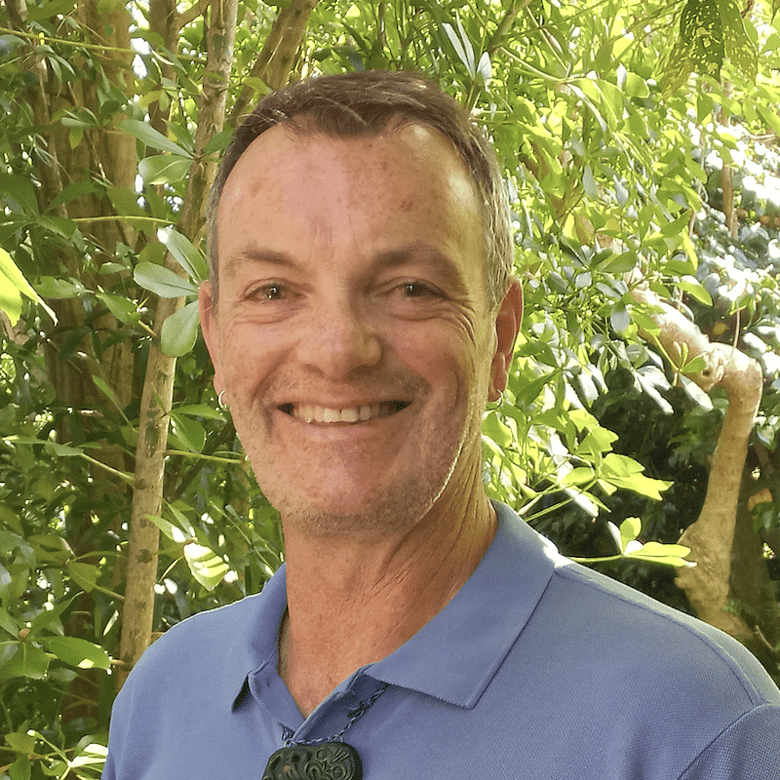
Dr Lincoln Dam was born in Tāmaki Makaurau (Auckland) to a Thai-Chinese mother and a Chinese-Cambodian-refugee father. He is a Senior Lecturer in Te Kura Mātauranga, the School of Education, at Auckland University of Technology (AUT). Lincoln’s work broadly examines the identities and experiences of Asian peoples in Aotearoa New Zealand. His current research explores Asian-Māori and Asian-Te Tiriti relations. Lincoln is also co-editing two special issues – with Ethnicities (Sage) and the New Zealand Journal of Educational Studies (Springer) – which develop an Aotearoa-equivalent to Asian Australian Studies, Asian Canadian Studies, and Asian American Studies. In March 2026, Lincoln received the Research Award from Asian Family Services – an organisation providing support services to Asian communities in Aotearoa since 1998. The Award “honours research that creates real, measurable impact for Asian communities”.
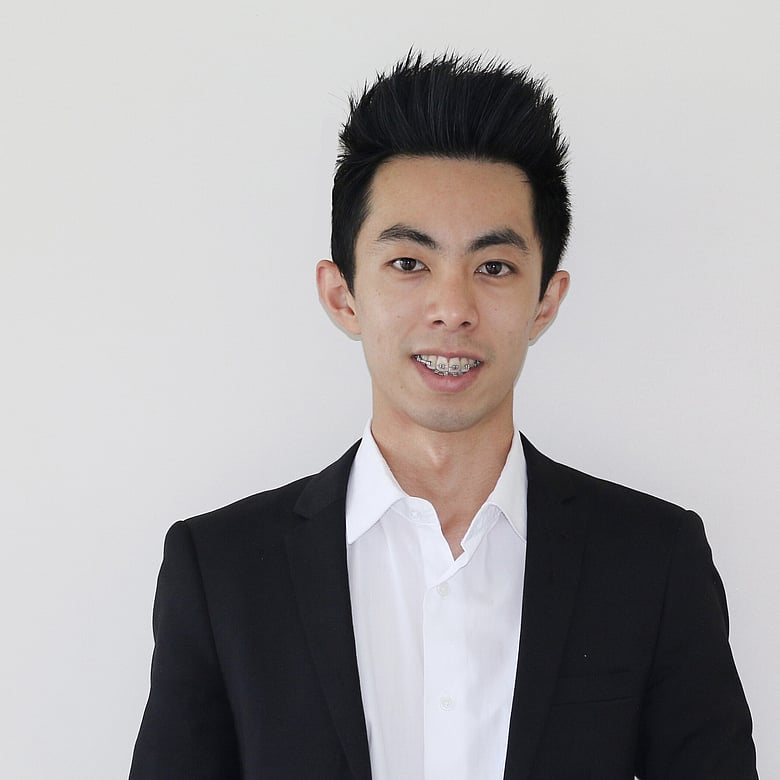
Joint Keynote by Jane Kitson and Marc Tadaki
Introduced, Entangled, and Becoming: Rethinking Species Belonging in Aotearoa
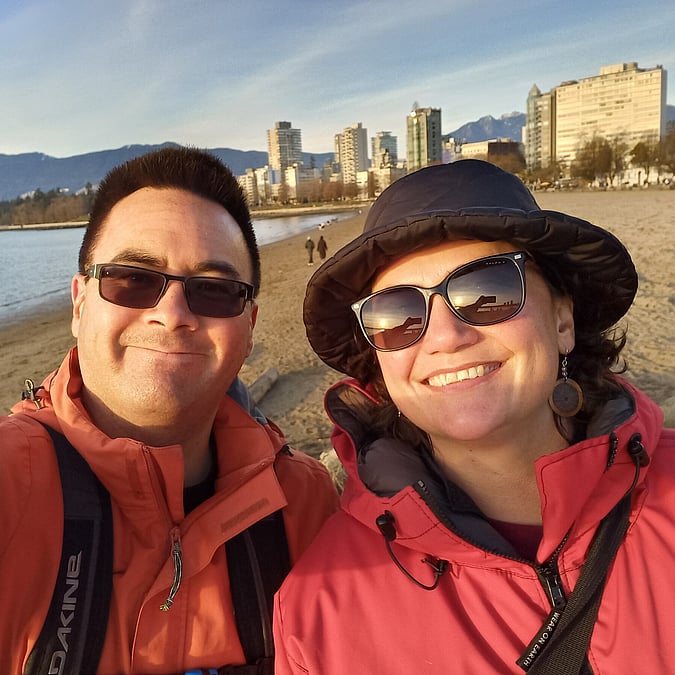
Dr Jane Kitson (Kāi Tahu, Kāti Mamoe, Waitaha) is an ecologist and environmental scientist with ancestral connection to Murihiku/Southland, New Zealand. Jane’s work is grounded in the principles of kaupapa Māori, which guide her approach to research spanning freshwater, estuaries, customary harvest, and cultural monitoring, and contributing to national, regional, and tribal policy development. Jane co-leads Fish Futures (2021-27), a transdisciplinary research programme focused on understanding and strengthening people’s connections with freshwater fish.
Dr Marc Tadaki (Pākehā) is an academic geographer at Te Whare Wānaka o Aoraki Lincoln University with interests in environmental governance and the politics of knowledge. Marc’s research focuses on freshwater knowledge and values, science-policy dynamics, and introduced species management. After six years in New Zealand’s applied research sector Marc now teaches in the Waterways Centre for Freshwater Management operated between the University of Canterbury and Lincoln University. Marc is associate editor of Kōtuitui: New Zealand Journal of Social Sciences Online and co-leads research on Fish Futures and Bioprotection Futures.
New Zealand Geographical Society
General: admin@nzgs.co.nz
Membership: membership@nzgs.co.nz